
Read a code left to right
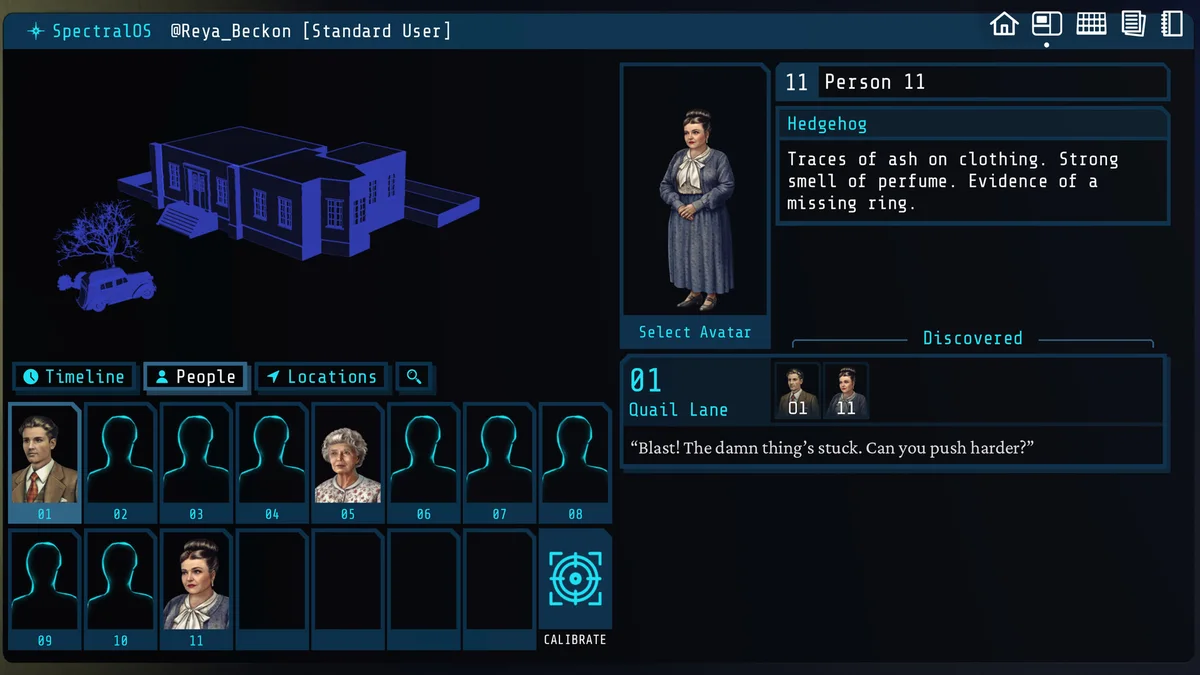
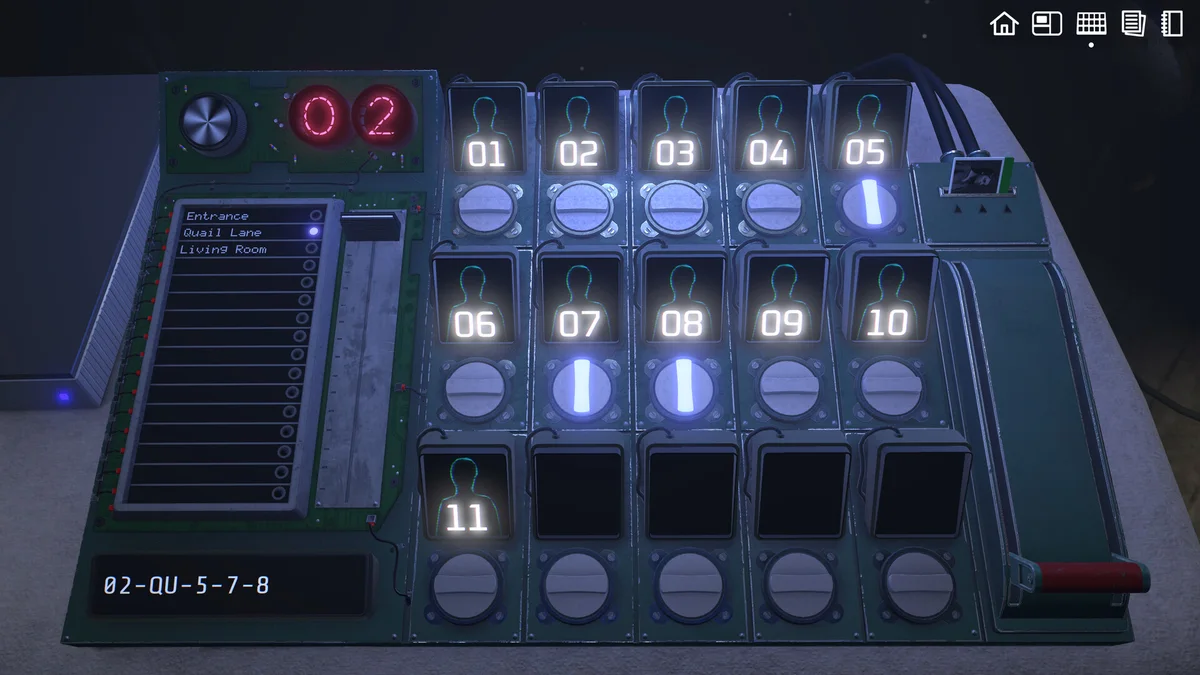
Community and GameSpew write codes as PERIOD-ROOM-PERSONS, for example 04-ST-1-5-8. The first token is the period index on the night (or modern sequence). The second token is a two-letter room code such as ST for Study. Remaining tokens are person IDs present in that memory.
Some published codes zero-pad a single person (20-DI-01). Treat 01 and 1 as the same identity slot when you are matching tables. Wintercote uses WI and can include a special person token such as K in the widely shared finish list (25-WI-K).
Published guides sometimes zero-pad single person tokens such as 20-DI-01. If one form fails in your build, try the unpadded digit. The identity slot is the same; the input parser may be picky about formatting on some scenes.
Write codes with hyphens as published (04-ST-1-5-8). Consistent notation makes it obvious when you accidentally drop a person ID from a group memory.
When a guide writes 02-EN-1-6-7-10, every person after the room is required. Partial groups are different memories, not optional guests.
Room codes you must memorize
EN Entrance · LI Living room · QU Quail Lane · ST Study · KI Kitchen · DI Dining Room · BI Billiard Room · CH Chapel · ED Eddie's Room · AT Attic · TO Tony's Room · MA Martha's Room · VI Victoria's Room · HE Helen's Room · OS Oswald's Room · WI Wintercote.
Private rooms usually open after public scenes imply someone left. Chapel codes cluster late. Wintercote is an off-estate endpoint used near the end of the historical list. A dedicated locations page on this wiki expands each room's investigation role without repeating every code.
Private rooms usually open after public scenes imply someone left the group. Chapel codes cluster late in the historical list. Wintercote is outside the main house loop and appears near the end of Part 1 completion charts.
If you confuse LI and DI under time pressure, write the full words Living and Dining in your notes beside the tokens for the first hour.
Person IDs vs names
The machine cares about numeric IDs. Names are a notebook layer you earn. Historical IDs 1–11 cover the widely documented 1936 cast. Modern IDs jump into the 60s–70s. Mixing a modern ID into a historical period will not invent a scene.
Photo cards add animal monikers for many historical figures (Lark, Badger, Toad, Hedgehog, Weasel, Raven, Pike, Goose, Cod). Use monikers to sort cards; use IDs to build codes.
Names on this wiki come from launch walkthrough tables used to finish the game. Always prefer the notebook's accepted spelling if it ever differs from a third-party table after a patch.
Historical IDs are small on purpose; modern IDs jump to the 60s so the eras cannot collide inside one string. That design is why keycards exist.
Photo monikers are a parallel puzzle. You can know a moniker and still fail a code if the numeric ID is wrong, and you can know a number and still fail notebook confirmation without the card.
Build codes from dialogue, not from spreadsheets first
When a character says they will check the attic, try the next period in AT with the subset of people who could have followed. When a group scene ends with two people leaving together, try a private room with exactly those two IDs. This hypothesis loop is the skill the game teaches.
Only after that loop stalls should you open the 1936 or modern spoiler tables. Even then, enter one stuck thread at a time so you keep practicing the grammar.
A good stuck protocol: rewatch the last valid scene, write every exit and entrance line, attempt one hypothesis code, then stop. Opening the entire spoiler list mid-protocol trains you to stop listening.
When two people leave together, try a private room with exactly those two IDs before you try either private room alone. Pair departures are strong signals.
Quick answers
FAQ
How many room codes are there?
Public walkthrough charts document sixteen room tokens including Wintercote. That set is enough to finish with published scene lists. Learn the tokens as vocabulary during the first hour so you stop alt-tabbing to screenshots mid-scene.
Why do some codes have many person IDs?
Those are group memories. Every listed ID is part of the address; omit one and the machine rejects the code. Long dining and living-room strings are normal mid-night evidence dumps, not OCR errors from the walkthrough table.
What does (+64) mean on modern lists?
After Ervin (64) is revealed, replay the marked scenes with 64 added to capture the complete cast version of that memory. Do not type the parentheses characters; add 64 as another person token while the modern keycard is inserted.